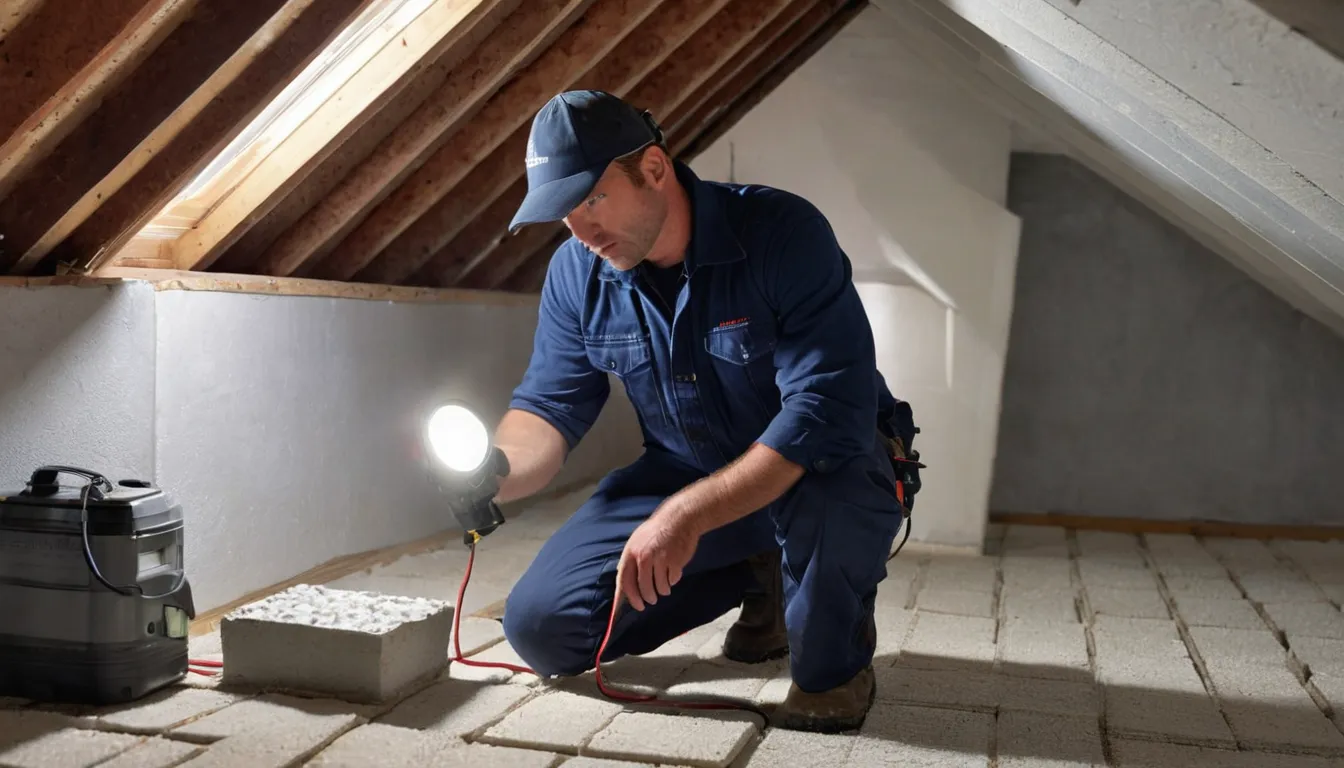
Noises overhead at night are a sign. Rats, mice, squirrels, or other animals may have found a way into your home. They chew wires, tear insulation, and leave droppings. A small problem can grow fast.
Seenresort Pest Control is a referral service. We do not do the work. We connect you with independent providers in our network who handle rodent and wildlife removal in Treasure Island and across the Treasure Island area. The provider inspects your home, finds the entry points, removes the animals, and seals the gaps. The provider also sets the price. You can ask for a written estimate with no obligation. Less searching means you can act while the problem is still small.
Hear scratching overhead? Start here
Noises in the attic or walls are the first clue. They often come at dusk or after dark. Most animals are active then.
Do not guess. Different animals need different fixes. A local provider can find out what is up there and make a plan.
Why small problems grow fast
Rodents breed quickly. A few mice can turn into a crowd in a matter of weeks. Rats and squirrels chew on wires, pipes, and wood. Chewed wires can be a fire risk.
Wildlife like raccoons can tear soffits (the boards under your roof edge) and rip up insulation. The longer they stay, the bigger the repair bill. Small problem first is the smart way to go.
Signs to watch for
Look and listen for these clues:
- Scratching, thumping, or running sounds in walls or the attic
- Droppings near food, in cabinets, or along walls
- Greasy rub marks along baseboards
- Gnawed wires, boxes, or wood
- A sharp, musty smell
- Torn insulation or nesting material
- Holes near the roofline or vents
Rodent clues versus larger animal clues
Small droppings and thin gnaw marks point to mice or rats. Heavy thumping, loud noises, or torn vent covers point to a bigger animal, such as a squirrel or raccoon.
Take a photo of what you see. A provider can use it to plan the visit.
Animals providers often handle
Providers in our network deal with many animals. Common ones include:
- Roof rats and Norway rats
- House mice
- Squirrels
- Raccoons
- Opossums
- Bats (often with special rules)
Not every provider handles every animal. Ask before you book.
Seasons and storms matter
Heavy summer rain pushes animals to dry places. An attic looks like a good shelter. Hurricane season can also drive rodents indoors, and storm damage can open new gaps in a roof.
Cooler months bring a second wave. Animals look for warmth and nesting spots. Spring is baby season for many wildlife species, which can change how and when removal is done.
How removal works
Every provider has their own process. Most follow the same basic steps.
Inspection
The provider looks over the attic, the roofline, and the outside of the house. They find where the animals get in and how many there may be.
Removal
For rodents, the provider may use traps or bait stations (locked boxes that hold bait). For larger wildlife, they often use live traps or a one-way door. That door lets the animal leave but not return.
Sealing entry points
Removal alone is not enough. New animals will use the same hole. The provider closes gaps with metal mesh, flashing, or other tough materials. Plastic and foam do not stop chewing animals.
Humane handling and local rules
Many animals are protected by state or local law. Some cannot be moved or harmed during baby season. Bats often have strict rules.
A good provider knows these rules and follows them. Ask how they handle animals and what happens to them after removal.
Cleanup and repair
Droppings and urine can carry germs. Wet or soiled insulation may also need to be replaced. Some providers offer cleanup. Others refer you to a separate service.
Some policies may cover sudden damage. Check your policy. Providers can often help document damage for a claim.
Choosing a removal provider
Take a few minutes to compare. Ask these questions:
- Which animals do you handle?
- Do you seal entry points, or only remove animals?
- How do you treat the animals?
- Is the quote in writing?
- What does the work cover, and for how long?
Get it in writing. Plain answers are a good sign.
Keeping animals out
Prevention is cheaper than removal. A few habits go a long way:
- Trim tree branches back from the roof
- Cap chimneys and screen vents
- Close gaps around pipes and wires
- Store pet food and bird seed in sealed bins
- Keep trash lids tight
- Check the roofline after big storms
Many homes here are concrete block with tile or shingle roofs. Gaps often form where the roof meets the wall. Check those spots each year.
Ready to take the next step?
You do not have to search through dozens of listings. Request a callback to check provider availability in your area.
What's Included
Inspection of entry points
A provider checks the attic, roofline, and outside walls to find where animals get in.
Animal removal
Traps, bait stations, or one-way doors, chosen to fit the animal.
Sealing gaps
Metal mesh and flashing close holes so animals cannot return.
Cleanup guidance
Advice on droppings, soiled insulation, and repairs after the animals are gone.
Typical rodent and wildlife removal costs
Prices vary by animal, home size, and how hard the job is. These are typical U.S. ranges only. Each provider sets their own price, so ask for a written quote before work starts.
| Service | Typical range | Notes |
|---|---|---|
| Inspection | $75 – $300 | Some providers apply it to the job |
| Mouse removal | $150 – $600 | Depends on how many visits |
| Rat removal | $300 – $900 | Roof rats may take more time |
| Squirrel or raccoon removal | $300 – $1,000 | Live trapping costs more |
| Sealing entry points | $200 – $1,500 | Depends on the number of gaps |
| Attic cleanup and insulation | $500 – $5,000 | Varies with the size of the area |
How It Works
Tell us what you hear
Request a callback or use the request form. Describe the noises, droppings, or damage you have noticed.
Get matched with a provider
We connect you with an independent local provider who handles your type of animal.
Review the written estimate
The provider inspects and gives you a price. Ask questions before you agree.
The provider does the work
The provider removes the animals, seals the gaps, and explains any follow-up.
Why Call Seenresort Pest Control
Less searching, faster start
Skip the long list of listings and reach a local provider quickly.
Independent providers
The providers in our network run their own businesses and do the actual work.
Plain answers
We explain the steps in simple words so you know what to expect.
No obligation
Ask for an estimate and decide for yourself. Providers set the price.
Other Services
Need rodent & wildlife removal services in Treasure Island?
Tell us what you see, where you see it, and how long it has been going on. We will point you to an independent provider in our network.
No obligationRodent & Wildlife Removal Services FAQ
How do I know if I have mice or rats in my attic?
Mouse droppings look like small grains of rice. Rat droppings are larger and thicker. Scratching at night, gnaw marks, and greasy rub marks are also clues. A provider can confirm what you have.
Can a raccoon or squirrel be removed without harming it?
Often yes. Many providers use live traps or one-way doors so the animal can leave on its own. Rules vary by state and season, so ask the provider how they handle wildlife and follow local law.
Does home insurance cover rodent or wildlife damage?
It depends on your policy. Some policies may cover sudden damage, but many exclude damage from pests over time. Check your policy. Providers can often help document damage for a claim.
Reach a local provider
Tell us what you see, where you see it, and how long it has been going on. We will point you to an independent provider in our network.
No obligation